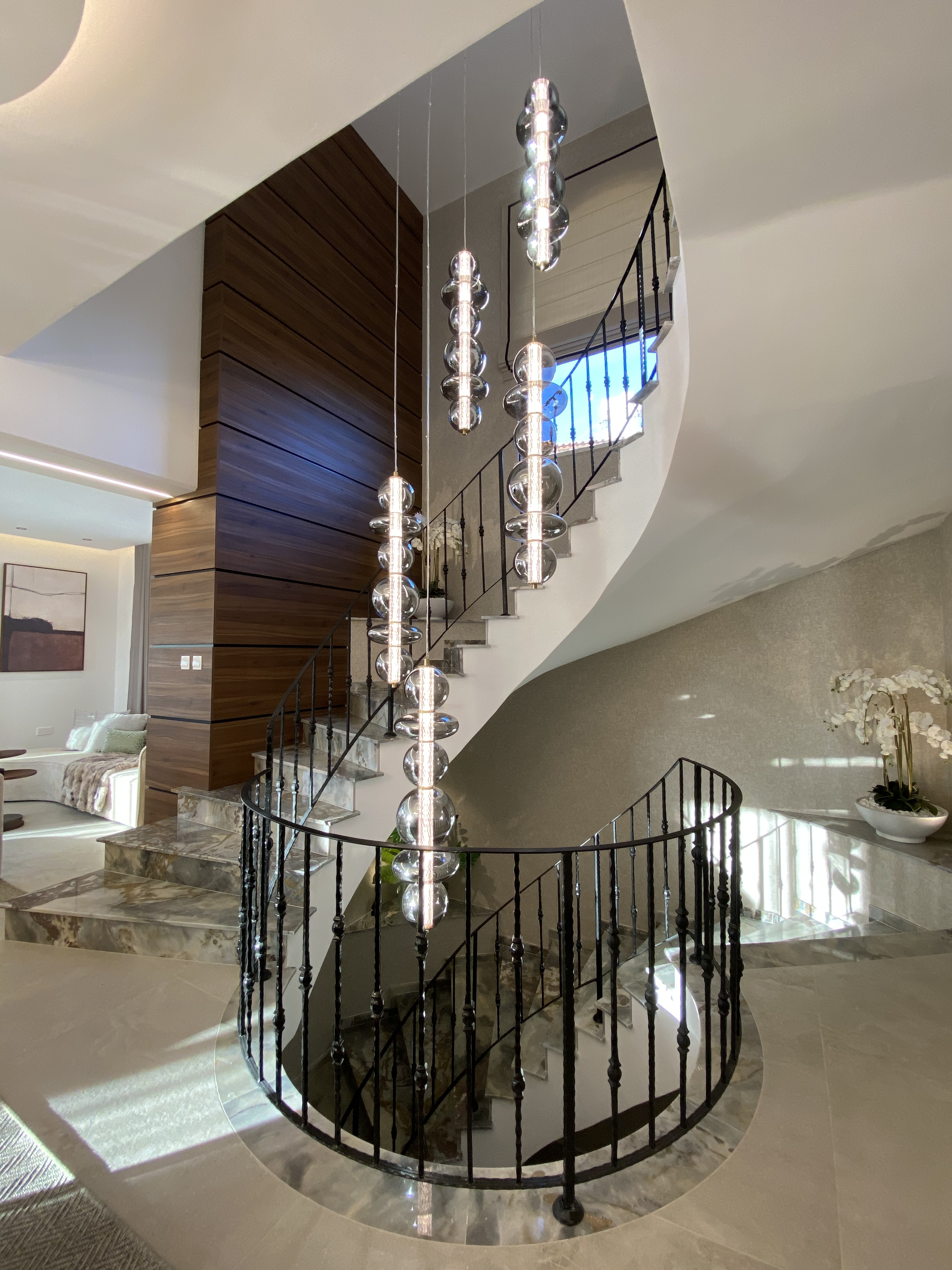
There’s something quietly reassuring about a space where wood and natural light come together. Wood has a natural way of softening light. It reduces harshness, adds warmth, and reflects brightness gently through its grain. As the day progresses, its tone shifts almost without notice, lighter and fresher in the morning, deeper and warmer by evening. These small changes bring a sense of rhythm into a space, making it feel more dynamic.
%20(1).png)
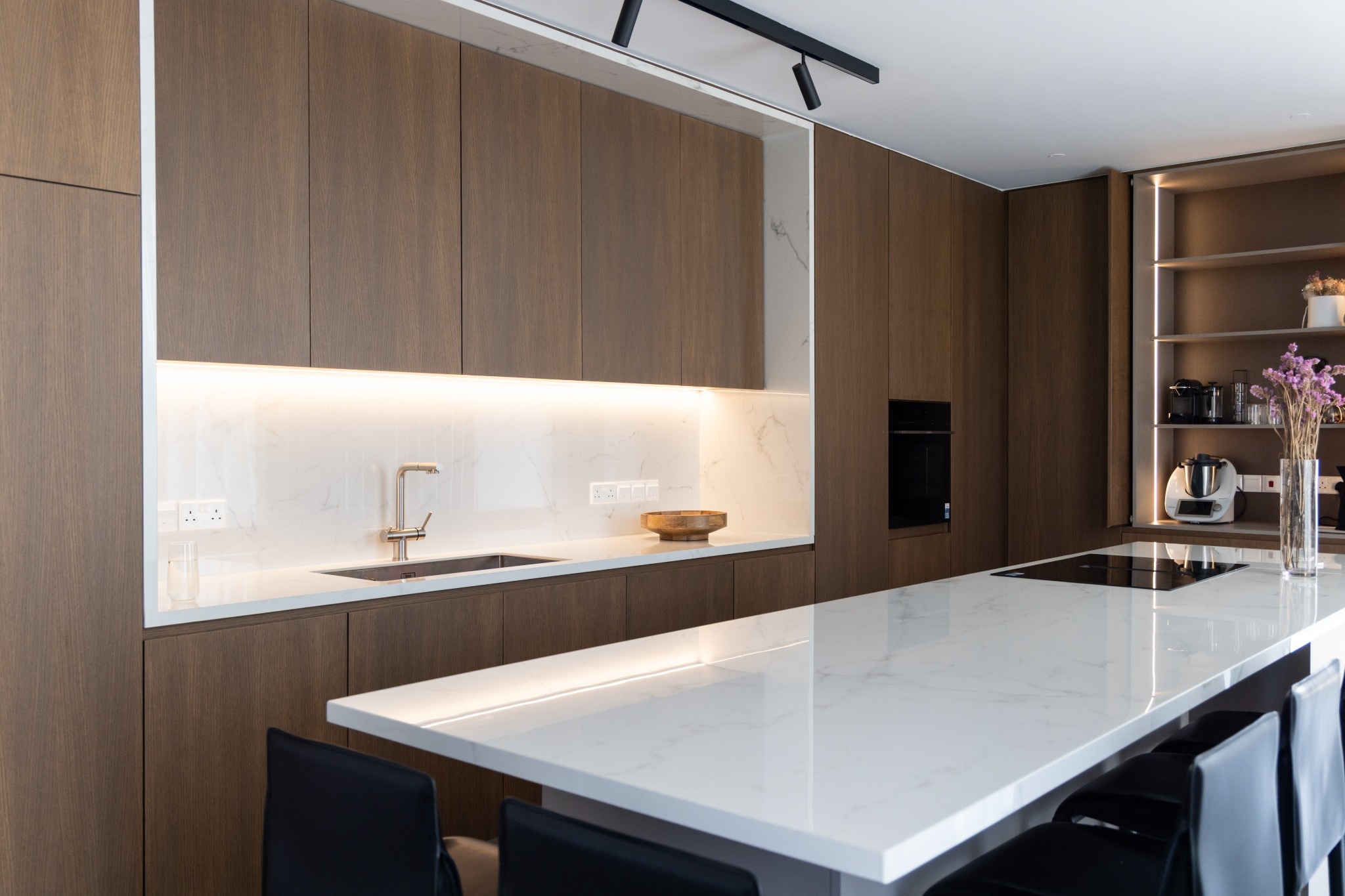
In the kitchen, this balance plays a practical role. Natural light improves visibility and makes everyday tasks easier, while wood ensures the space doesn’t feel too cold or clinical. The combination creates a kitchen that feels clean and efficient, but also comfortable enough to spend time in.
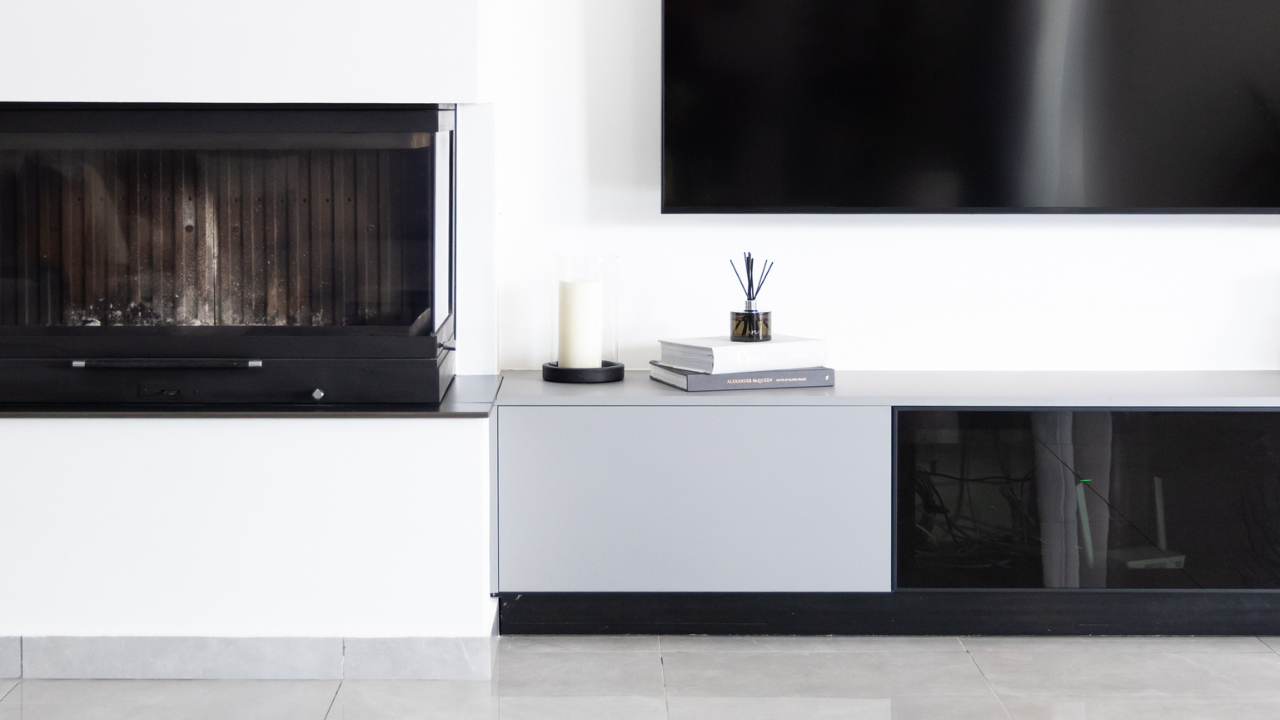
In the living room, the relationship becomes more atmospheric. As light moves throughout the day, wood responds subtly, picking up shadows and variations in tone. The space naturally transitions from bright and open during the day to softer and more intimate in the evening, without the need for constant adjustment.
.png)
%20(2).png)
In the bedroom, everything becomes more subdued. Light is softer and more diffused, and wood helps absorb it, creating a calm and grounded environment. The overall effect is a space that supports rest, simple, balanced, and easy to unwind in.

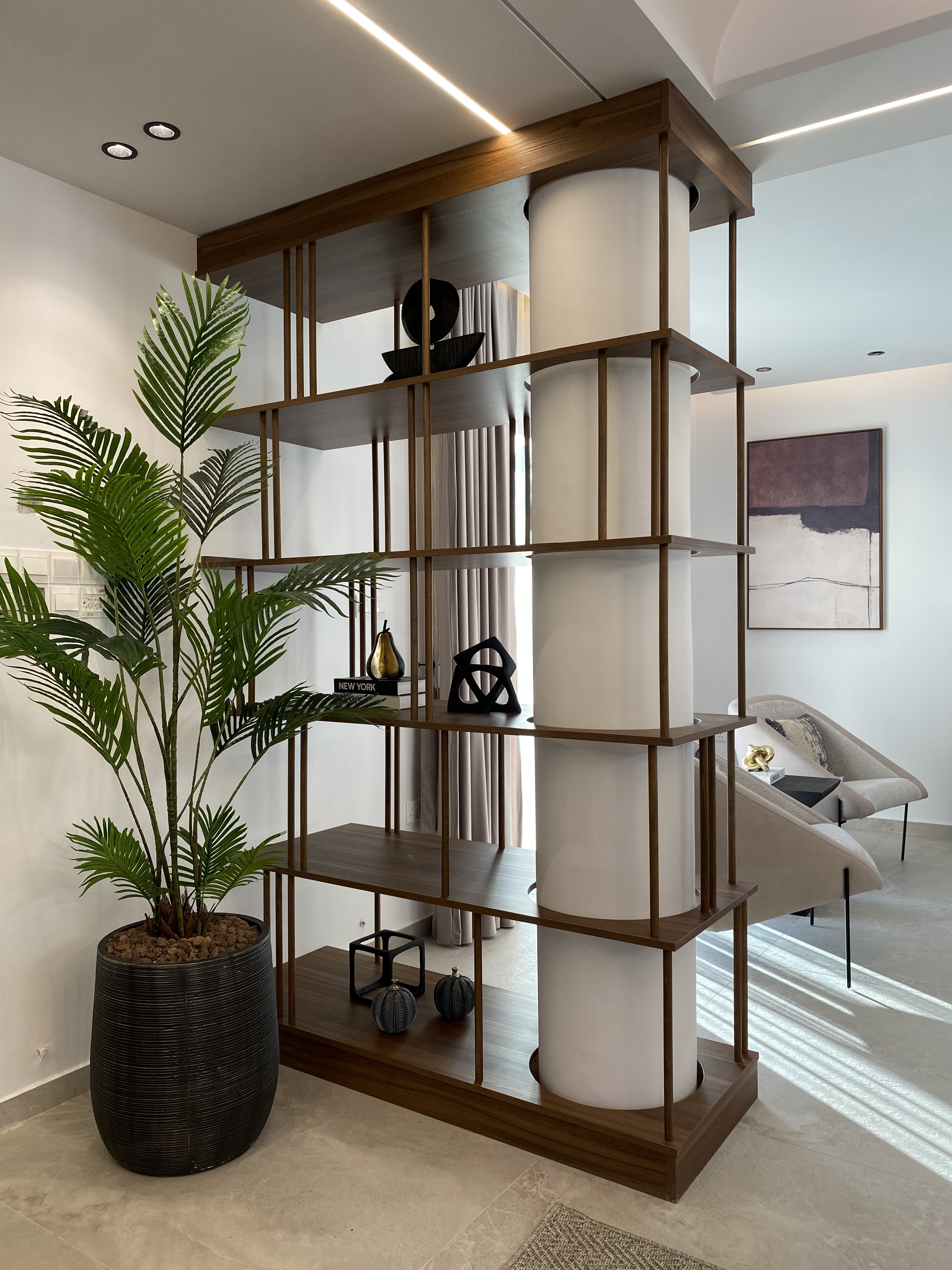
Together, wood and natural light create interiors that feel considered and effortless at the same time. They don’t rely on strong contrasts or trends, but instead offer a quieter kind of quality, one that feels comfortable, functional, and right at any time of day.



.png)