.png)
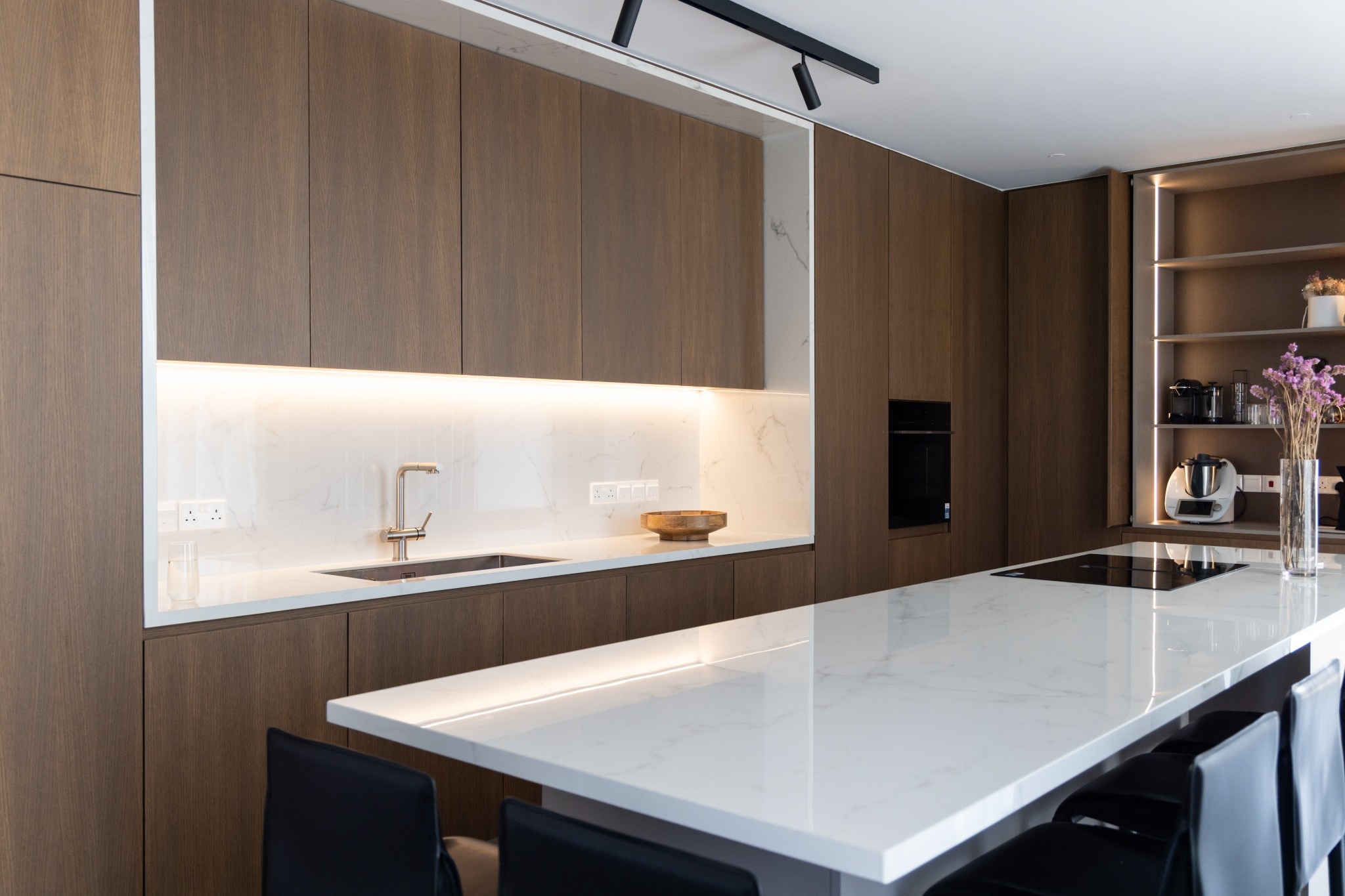
Choosing materials for a kitchen goes far beyond aesthetics. It is a decision that directly affects how the space functions, how easy it is to maintain, and how well it holds up over time. The use of wood alongside white surfaces has become a widely preferred solution because it offers a practical response to the everyday demands of a kitchen.
%20(6).png)
White surfaces, most commonly quartz or similar engineered materials, play a crucial role in supporting cleanliness and efficiency. Their light tone enhances visibility across the workspace, making it easier to notice spills, residue, or marks during food preparation. This contributes to a more hygienic environment, particularly in a space where cleanliness is essential. In addition, materials such as quartz are non-porous, which means they do not absorb liquids or harbor bacteria, making them highly suitable for frequent and intensive use.
At the same time, wood or wood-effect cabinetry brings a different type of practicality to the kitchen. Unlike high-gloss or very dark finishes that tend to highlight every fingerprint or imperfection, wood surfaces are naturally more forgiving. The grain and texture help conceal minor scratches, daily wear, and signs of use, allowing the kitchen to maintain a clean and composed appearance without requiring constant attention. This makes it especially effective in households where the kitchen is used throughout the day and needs to perform without looking overly delicate.
%20(7).png)
%20(8).png)
The combination of these two materials creates a balanced approach to maintenance. The areas that experience the most direct use, such as countertops and islands, remain easy to clean and resistant to staining, while the surrounding cabinetry provides durability with minimal visual upkeep. This balance reduces the overall effort needed to keep the kitchen in good condition, making it a more practical environment for everyday living.
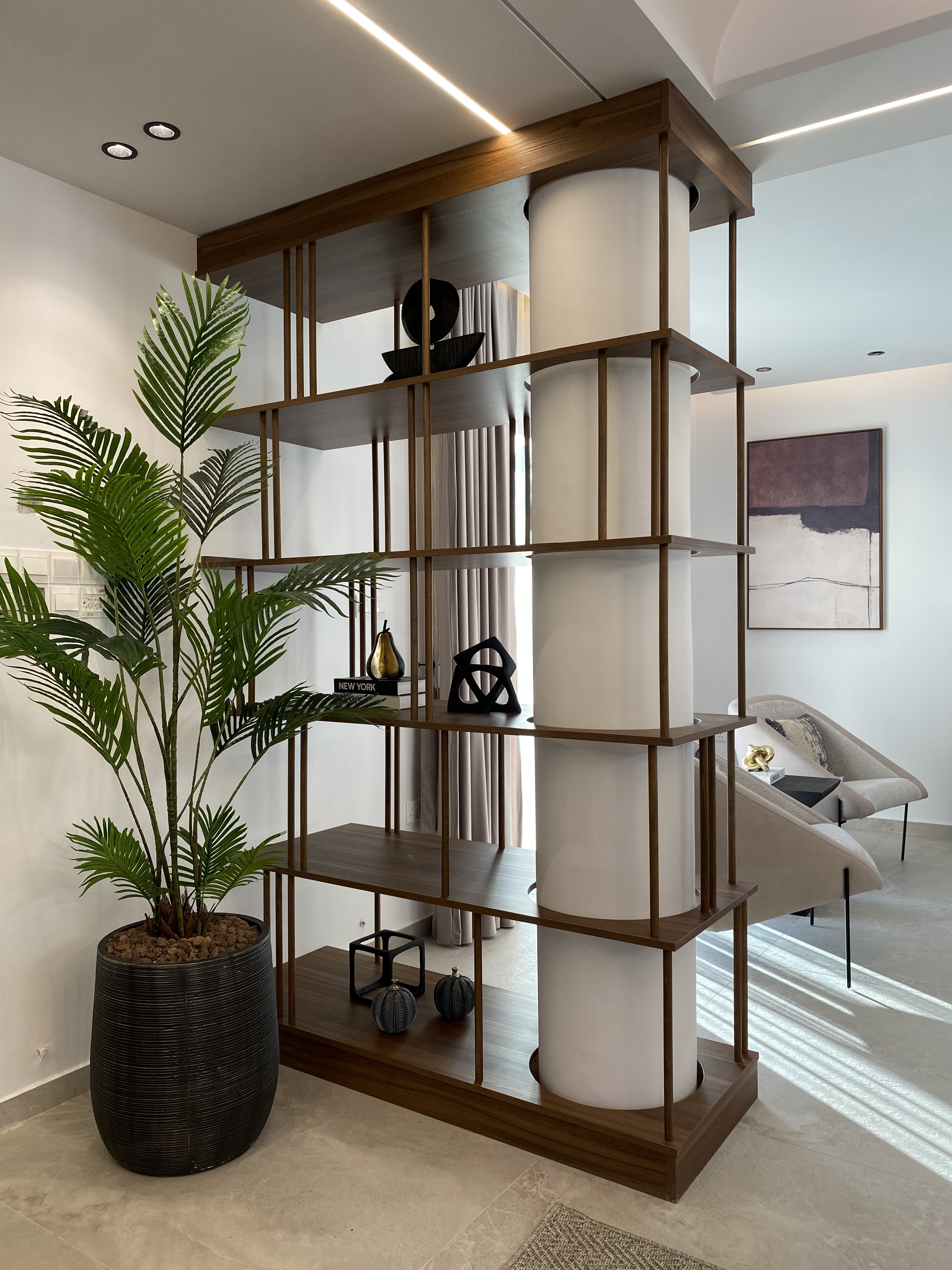
The strength of combining wood with white surfaces lies in how naturally it balances function and comfort. White materials reflect light to improve visibility and make the space feel brighter and more open, while wood softens the effect and adds warmth, preventing the kitchen from feeling too clinical. At the same time, this pairing remains timeless and adaptable, allowing the kitchen to evolve over time without the need for major changes. The result is a space that not only looks refined but continues to perform efficiently and comfortably in everyday use.
%20(9).png)

Together, wood and natural light create interiors that feel considered and effortless at the same time. They don’t rely on strong contrasts or trends, but instead offer a quieter kind of quality, one that feels comfortable, functional, and right at any time of day.


.png)